Philosophy GOATs
The biggest names in philosophy: ancient sages, Enlightenment giants, existentialists, political theorists, and modern thinkers.
24 faces
Who's in this deck?24 names — peek before you play
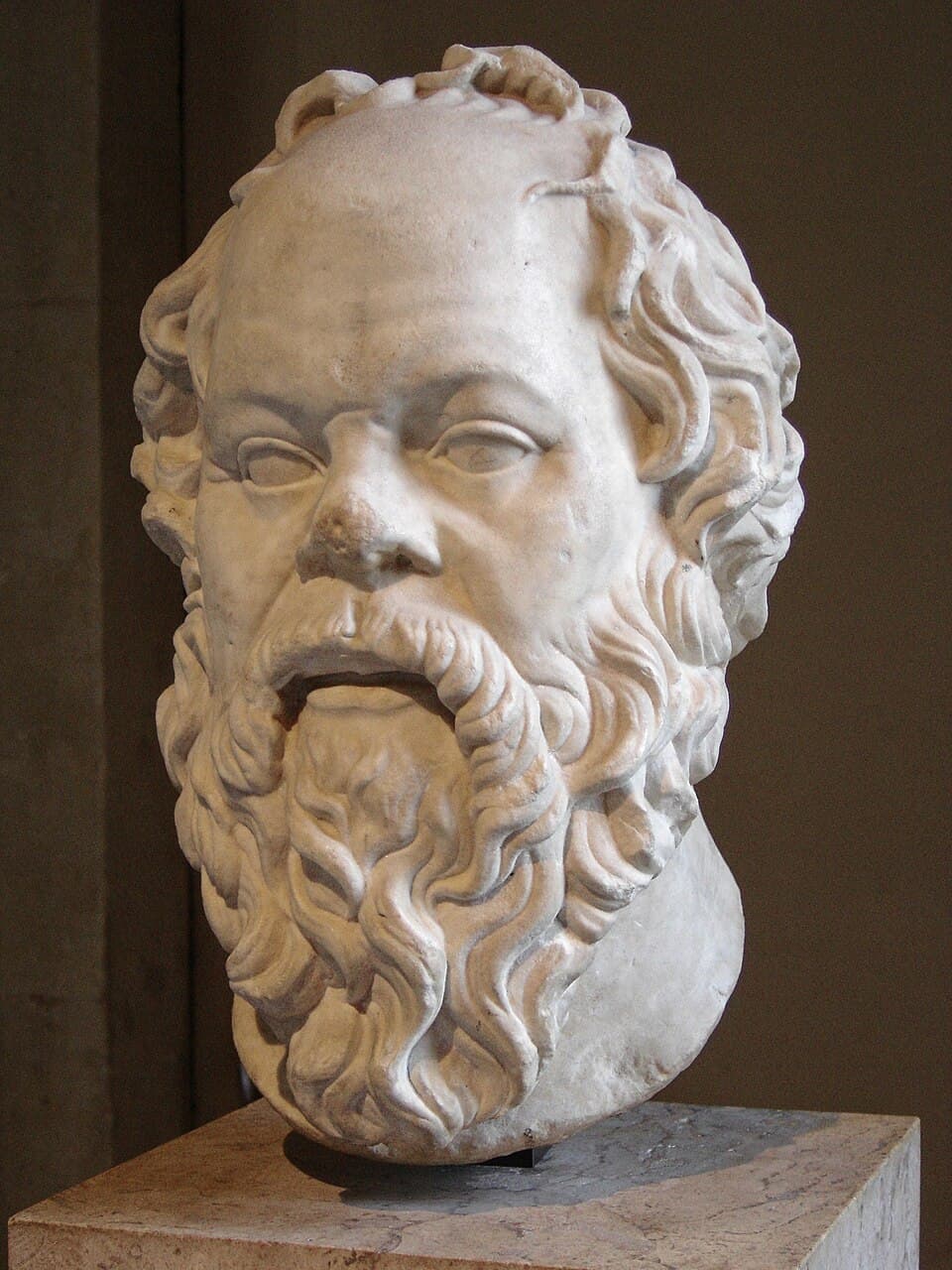
Socrates
Known for questioning, ethics, and the Socratic method · Ethics / Socratic method
Socrates was an ancient Greek philosopher from Classical Athens, perhaps the first Western moral philosopher, and a major inspiration on his student Plato, who largely founded the tradition of Western philosophy.
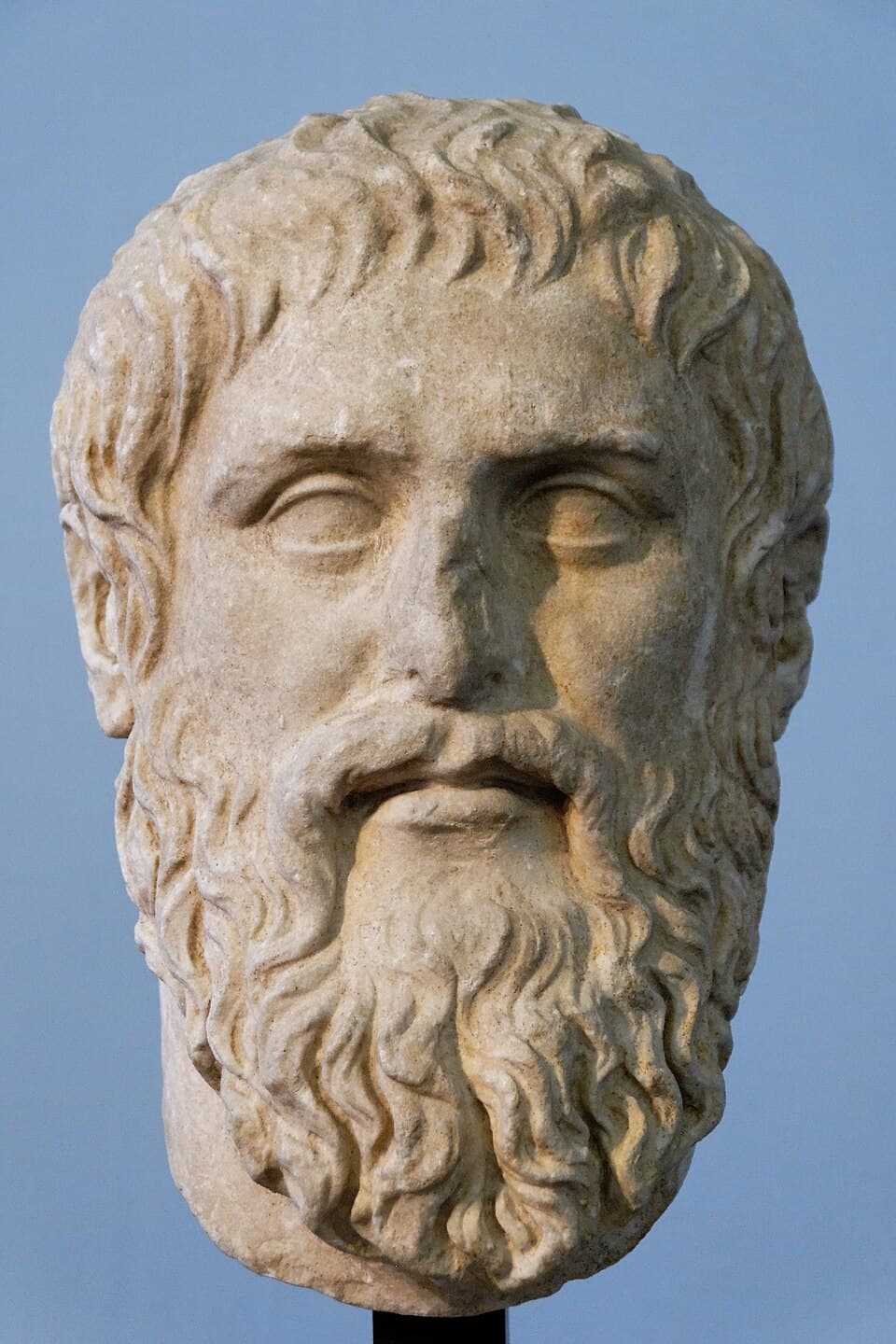
Plato
Known for the theory of Forms and The Republic · Forms / political philosophy
Plato was an ancient Greek philosopher of Classical Athens who is most commonly considered the foundational thinker of the Western philosophical tradition.
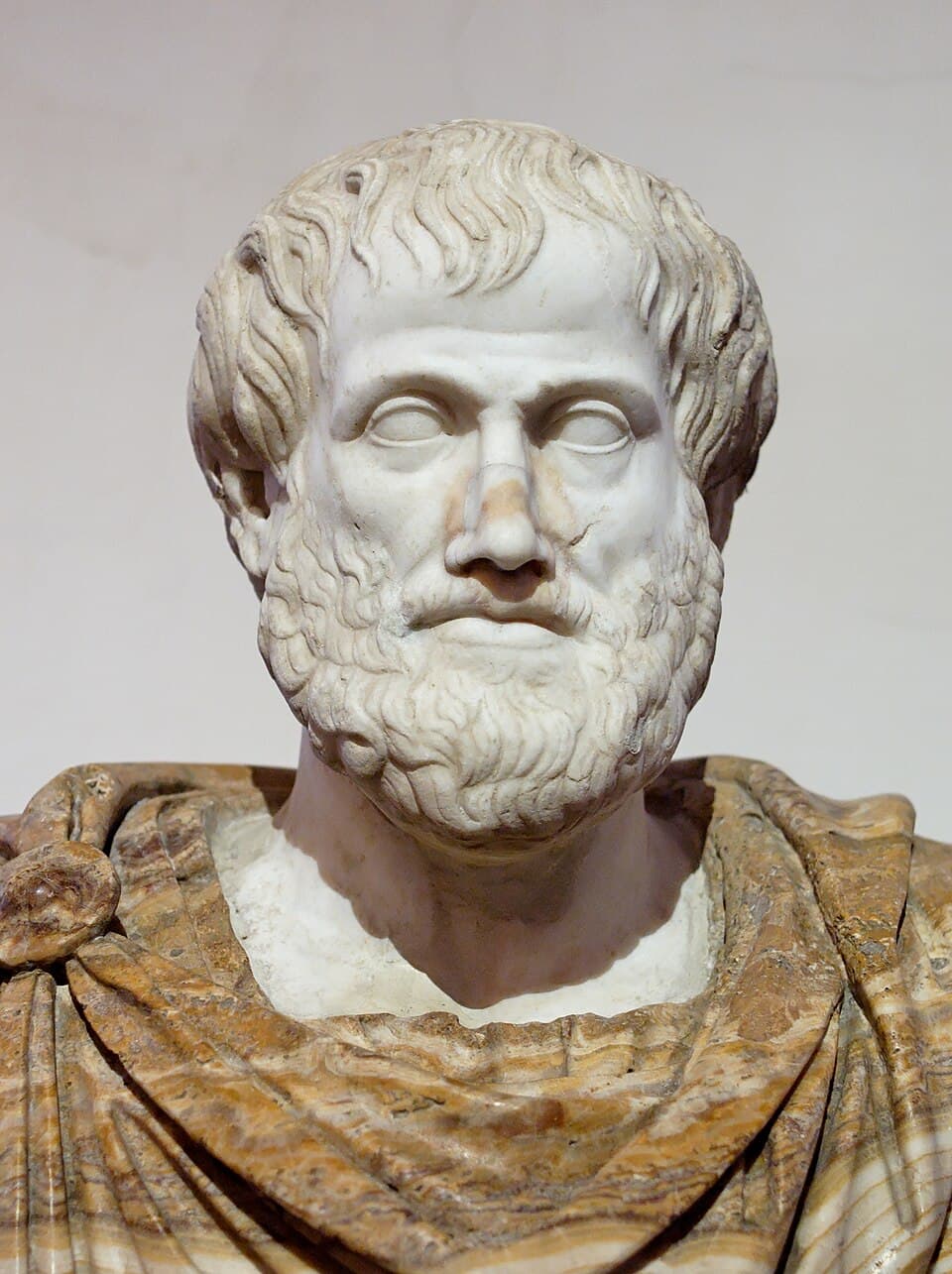
Aristotle
Known for logic, virtue ethics, metaphysics, and biology · Logic / virtue ethics
Aristotle was an ancient Greek philosopher and polymath. His writings span the natural sciences, philosophy, linguistics, economics, politics, psychology, and the arts.
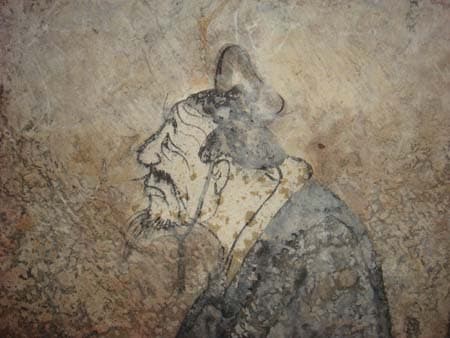
Confucius
Known for ethics, ritual, social harmony, and filial piety · Confucianism
Confucius, born Kong Qiu, was a Chinese philosopher of the Spring and Autumn period who is traditionally considered the paragon of Chinese sages. Much of the shared cultural heritage of the Sinosphere originates in the philosophy and teachings of Confucius.
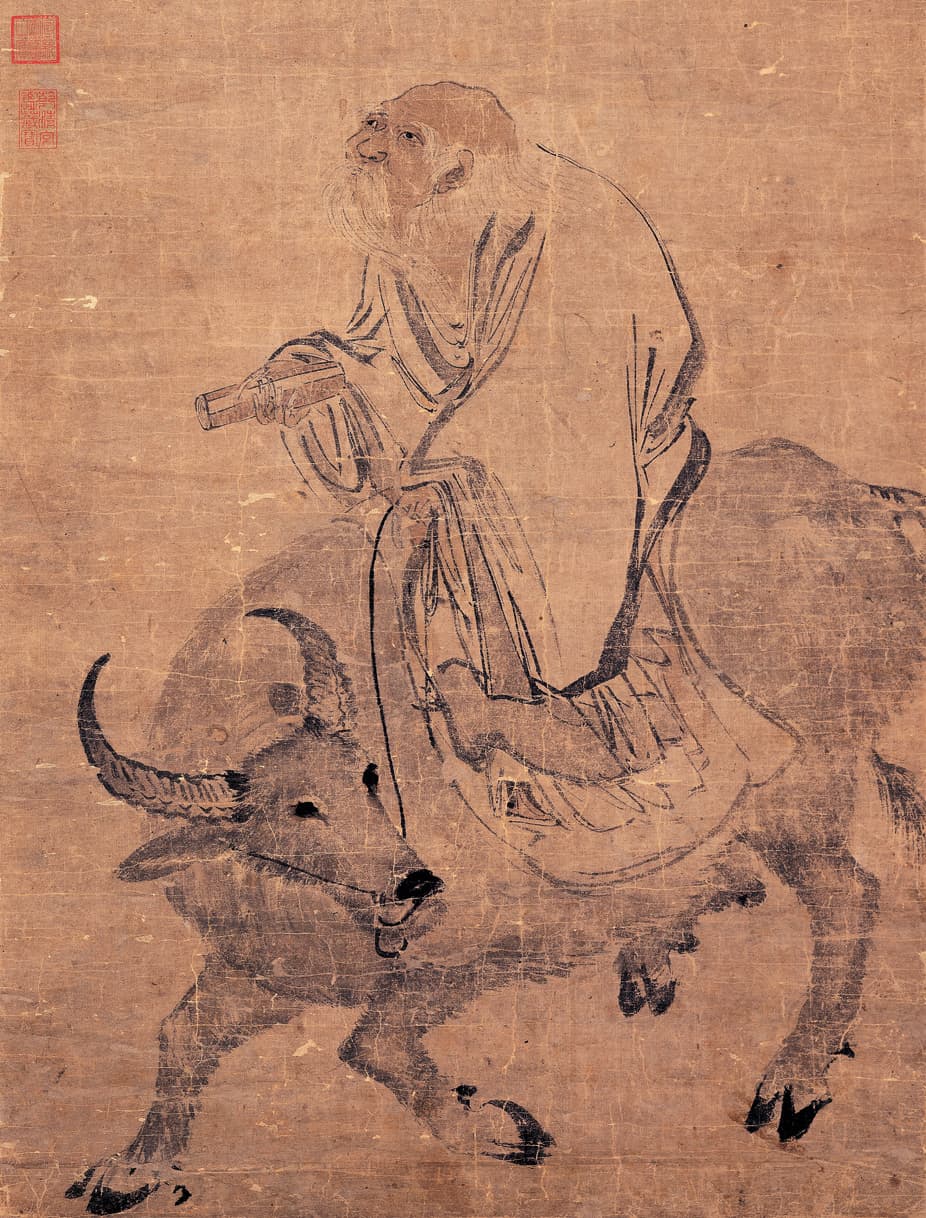
Laozi
Known for Daoism, simplicity, and the Dao De Jing · Daoism
Laozi was a legendary Chinese philosopher considered to be the author of the Tao Te Ching, one of the foundational texts of Taoism.
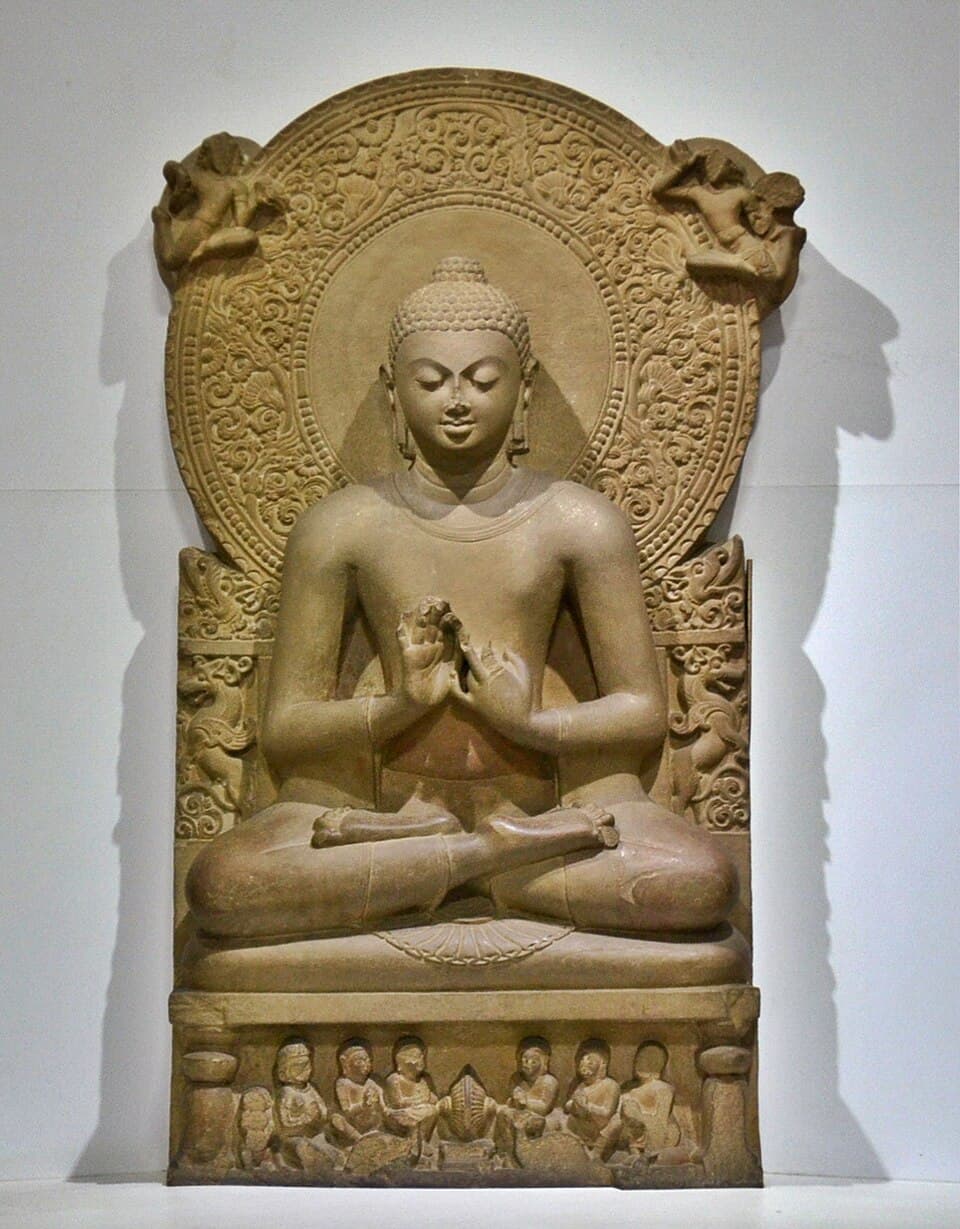
The Buddha
Known for the Four Noble Truths and the Middle Way · Buddhist philosophy
Siddhartha Gautama, most commonly referred to as the Buddha, was a wandering ascetic and religious teacher who lived in the eastern Indo-Gangetic Plains during the 6th or 5th century BCE and founded Buddhism.
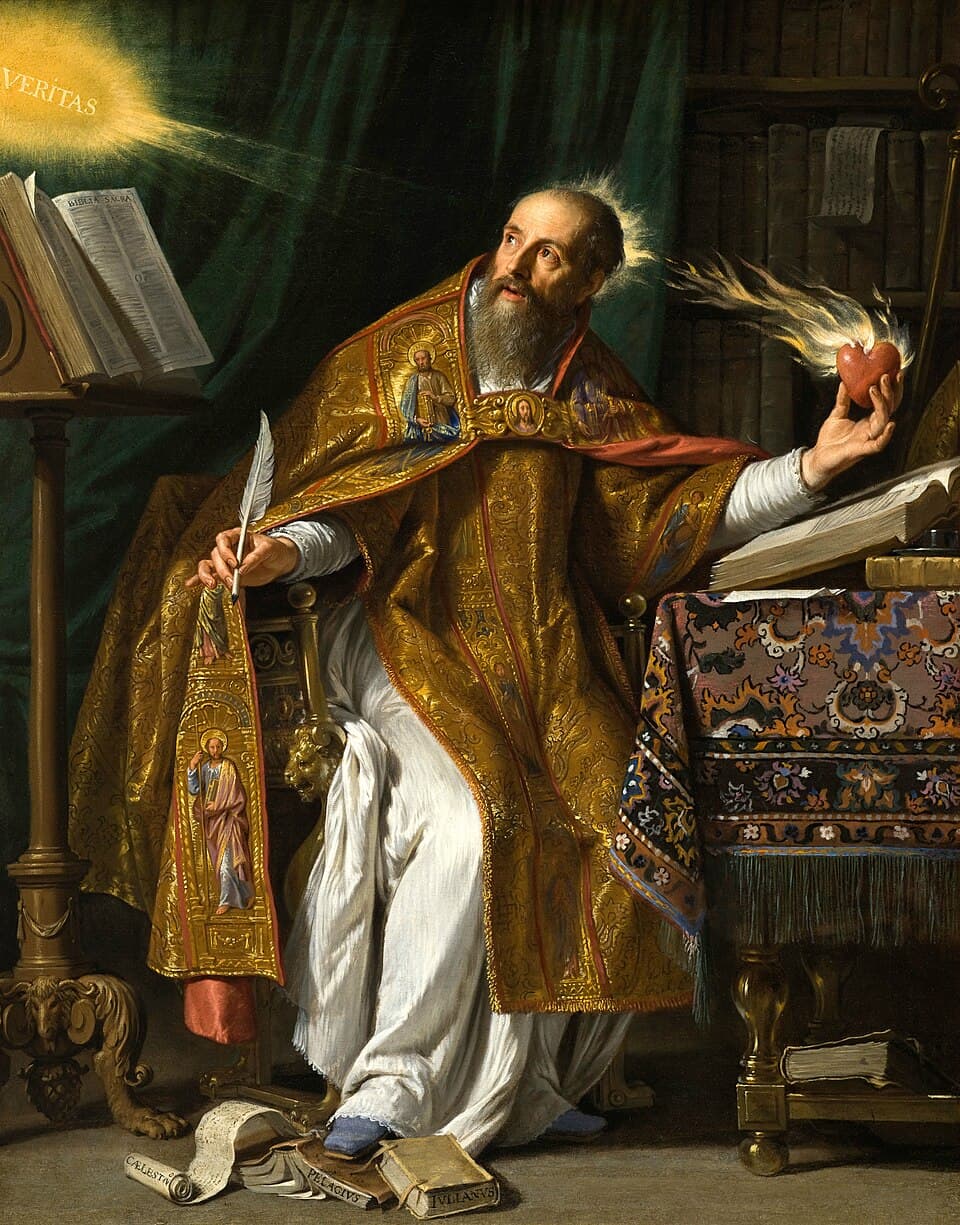
Augustine of Hippo
Known for Christian theology, free will, and The City of God · Christian philosophy
Augustine of Hippo was a Christian theologian and philosopher from Thagaste, Numidia Cirtensis and the Bishop of Hippo Regius.
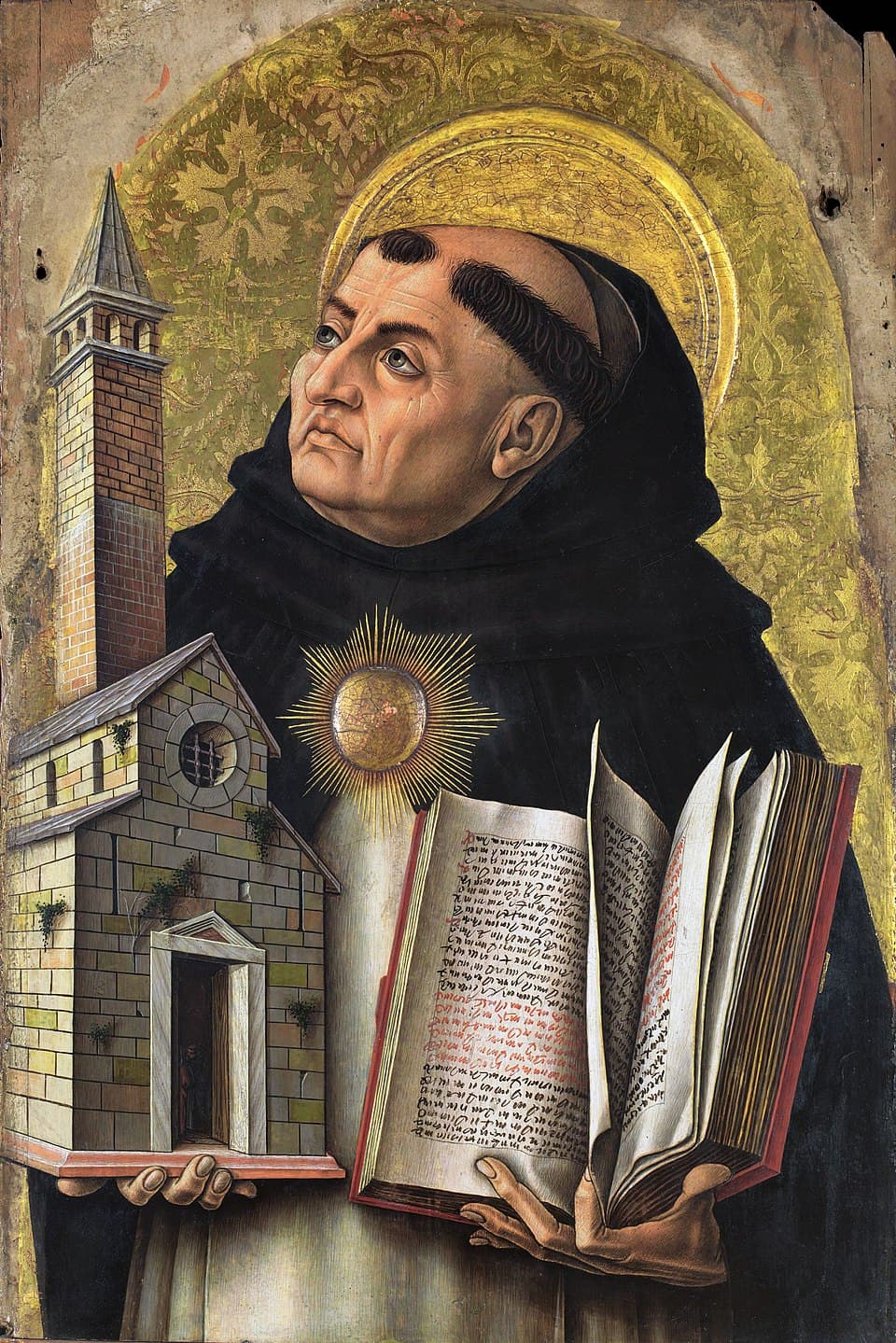
Thomas Aquinas
Known for natural theology and synthesizing Aristotle with Christianity · Scholasticism
Thomas Aquinas was an Italian Dominican friar and priest, theologian, and philosopher. He is considered one of the most influential thinkers in the history of Catholic theology and Western philosophy.
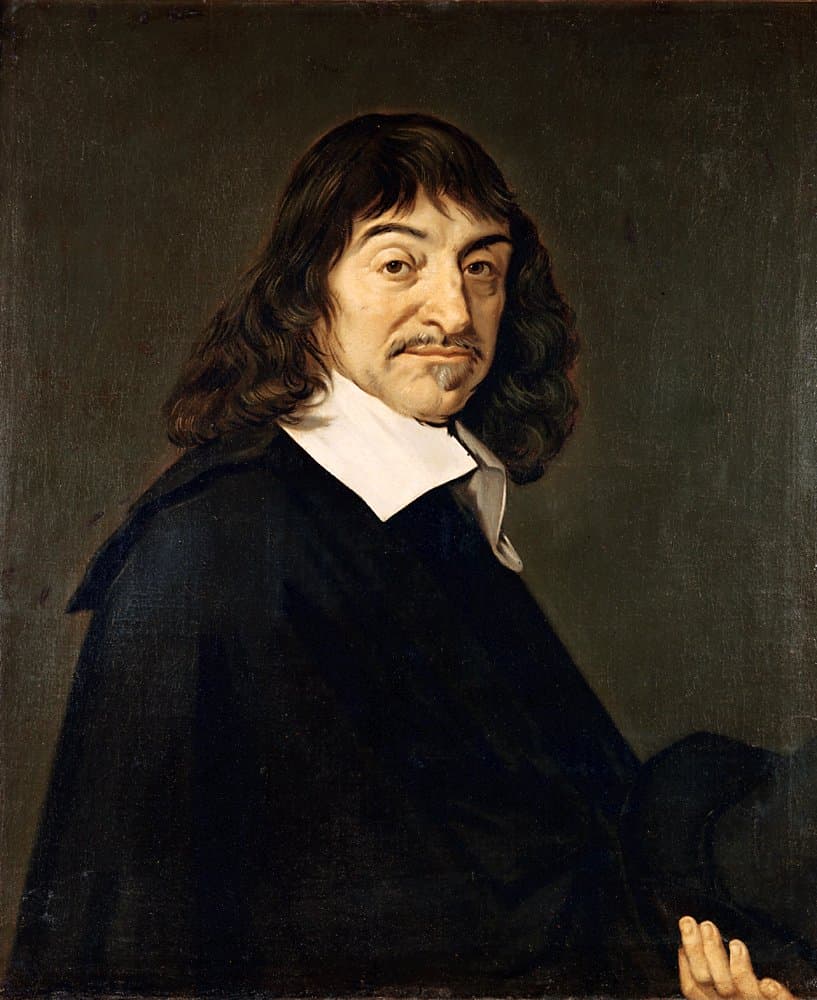
René Descartes
Known for modern rationalism and mind-body dualism · Rationalism
René Descartes was a French polymath, active across philosophy, including metaphysics, epistemology, ethics, and the philosophy of science; theology; mathematics, in which he connected the previously separate fields of geometry and algebra into analytic geometry; science, including physics, optics, mechanics, cosmology, and meteorology; physiology; and medicine.
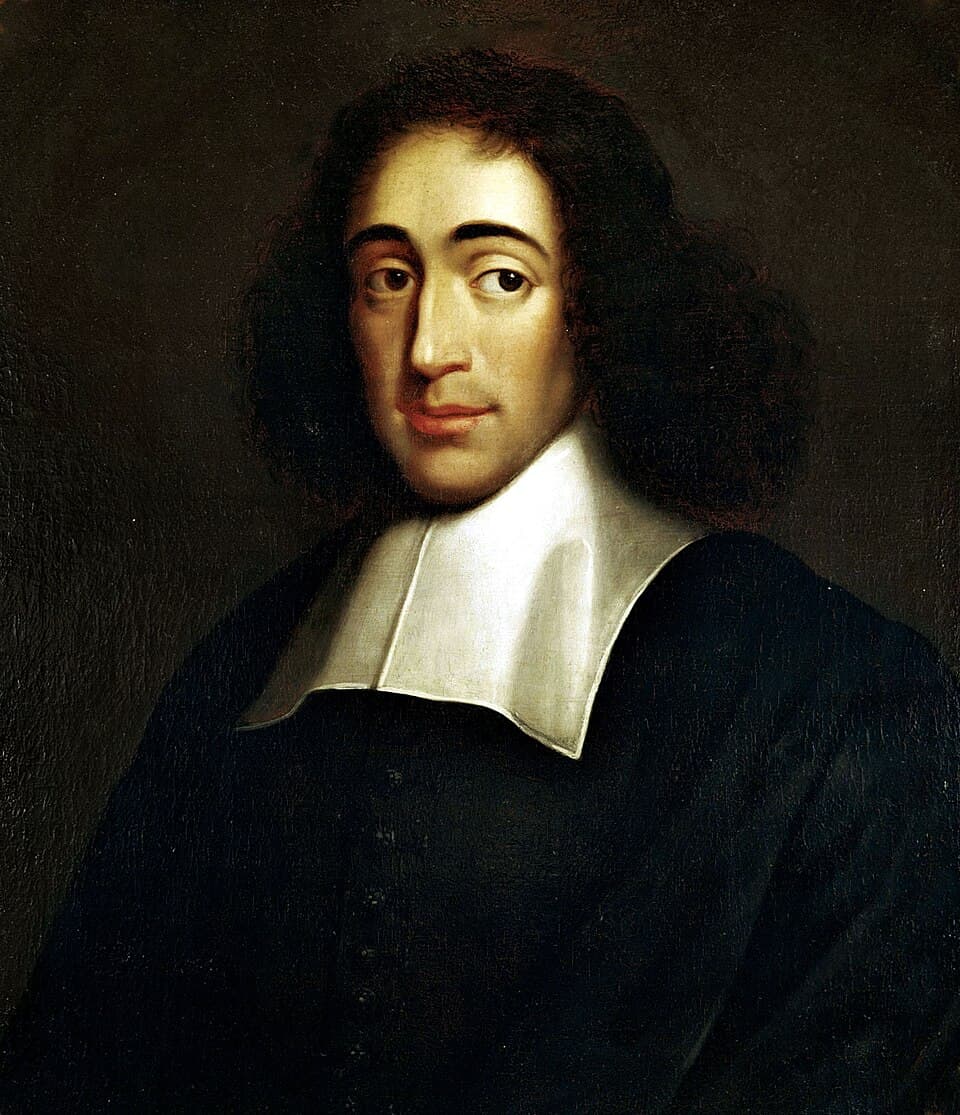
Baruch Spinoza
Known for monism, determinism, and radical Enlightenment thought · Rationalism / pantheism
Baruch (de) Spinoza, also known under his Latinized pen name Benedictus de Spinoza, was a philosopher of Portuguese-Jewish origin who was born and lived in the Dutch Republic.
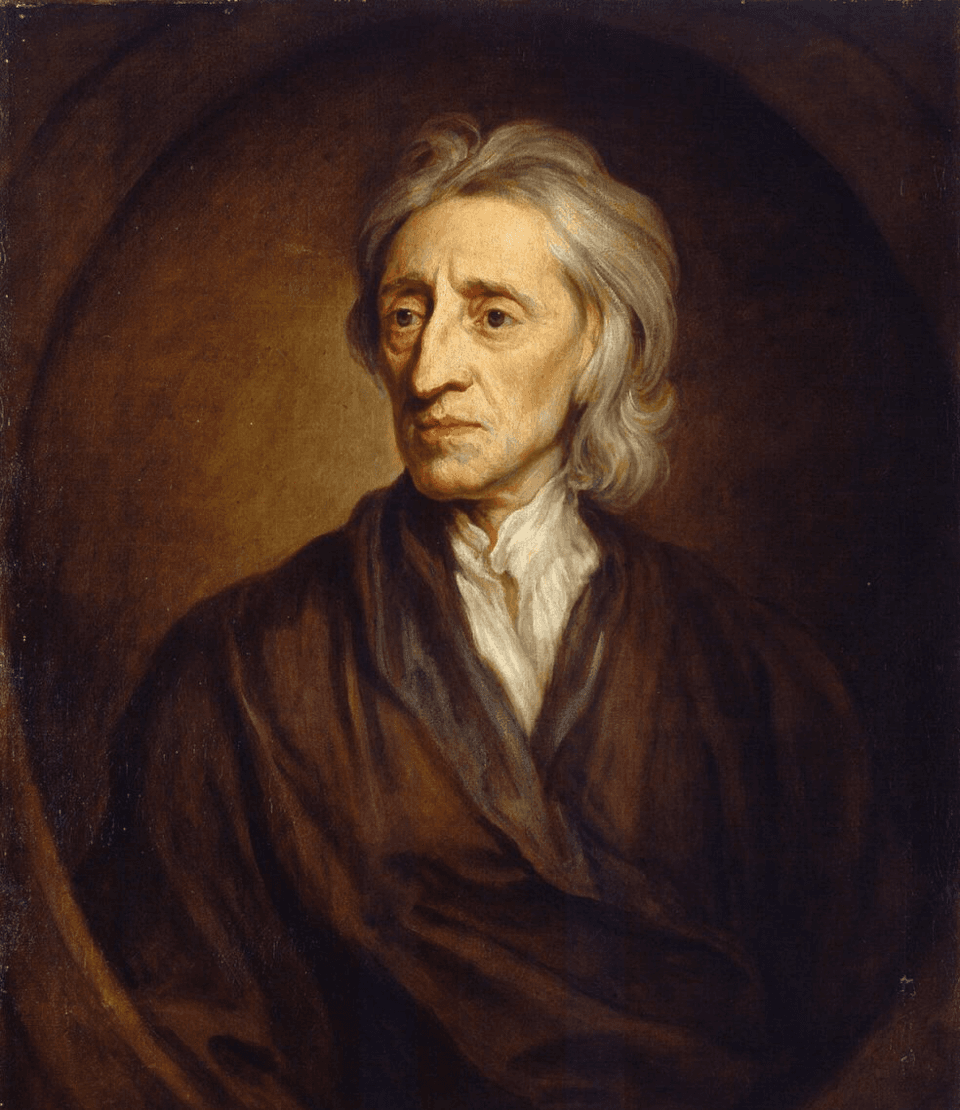
John Locke
Known for empiricism, natural rights, and liberal political theory · Empiricism / liberalism
John Locke was an English philosopher and physician, widely regarded as one of the most influential of the Enlightenment thinkers and commonly known as the "father of liberalism".
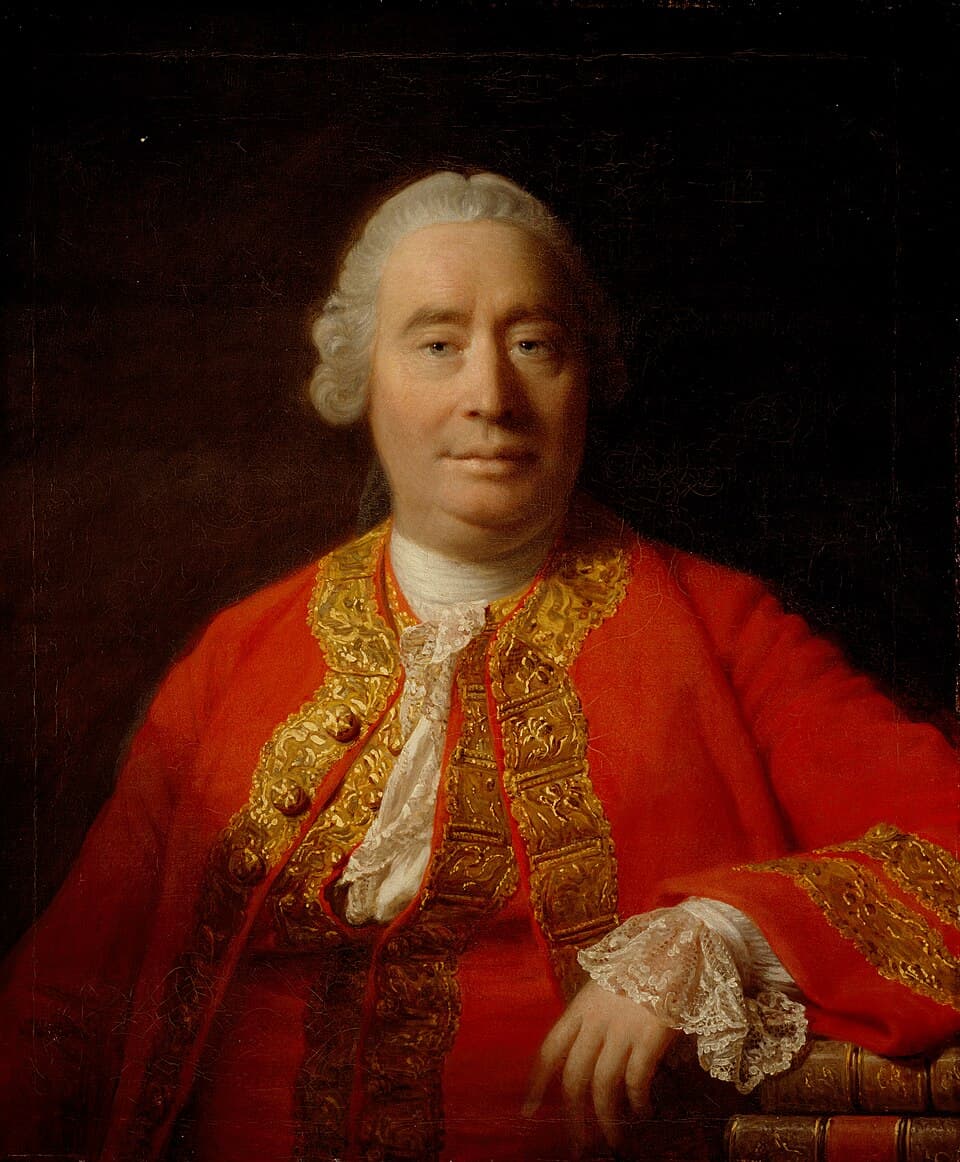
David Hume
Known for skepticism, empiricism, and the problem of causation · Empiricism / skepticism
David Hume was a Scottish philosopher, historian, economist and essayist who is known for his highly influential system of empiricism, philosophical scepticism and metaphysical naturalism.
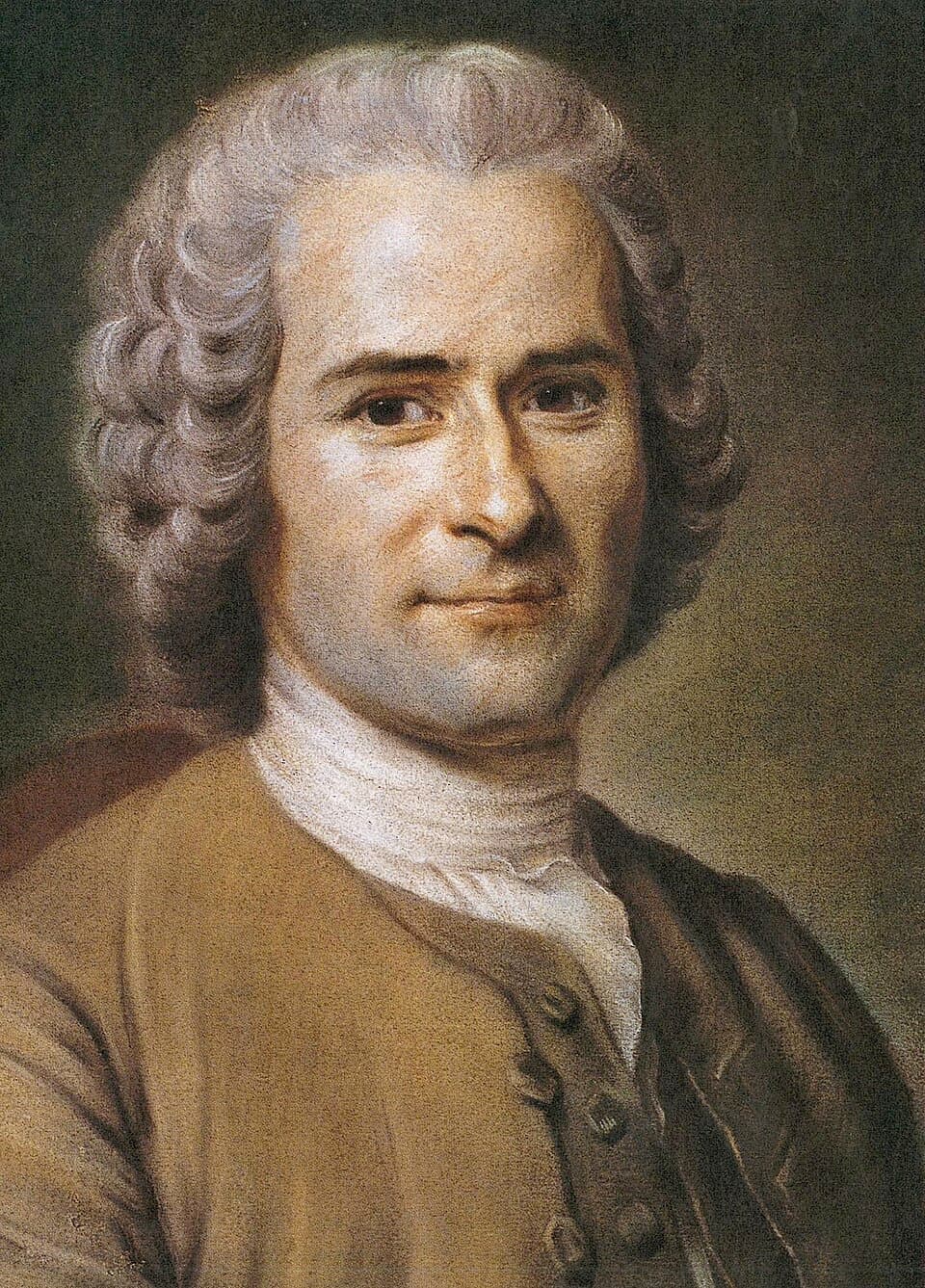
Jean-Jacques Rousseau
Known for the social contract, freedom, and political equality · Social contract
Jean-Jacques Rousseau was a Genevan philosopher, philosophe, writer, and composer. His political philosophy influenced the progress of the Age of Enlightenment throughout Europe, as well as aspects of the French Revolution and the development of modern political, economic, and educational thought.
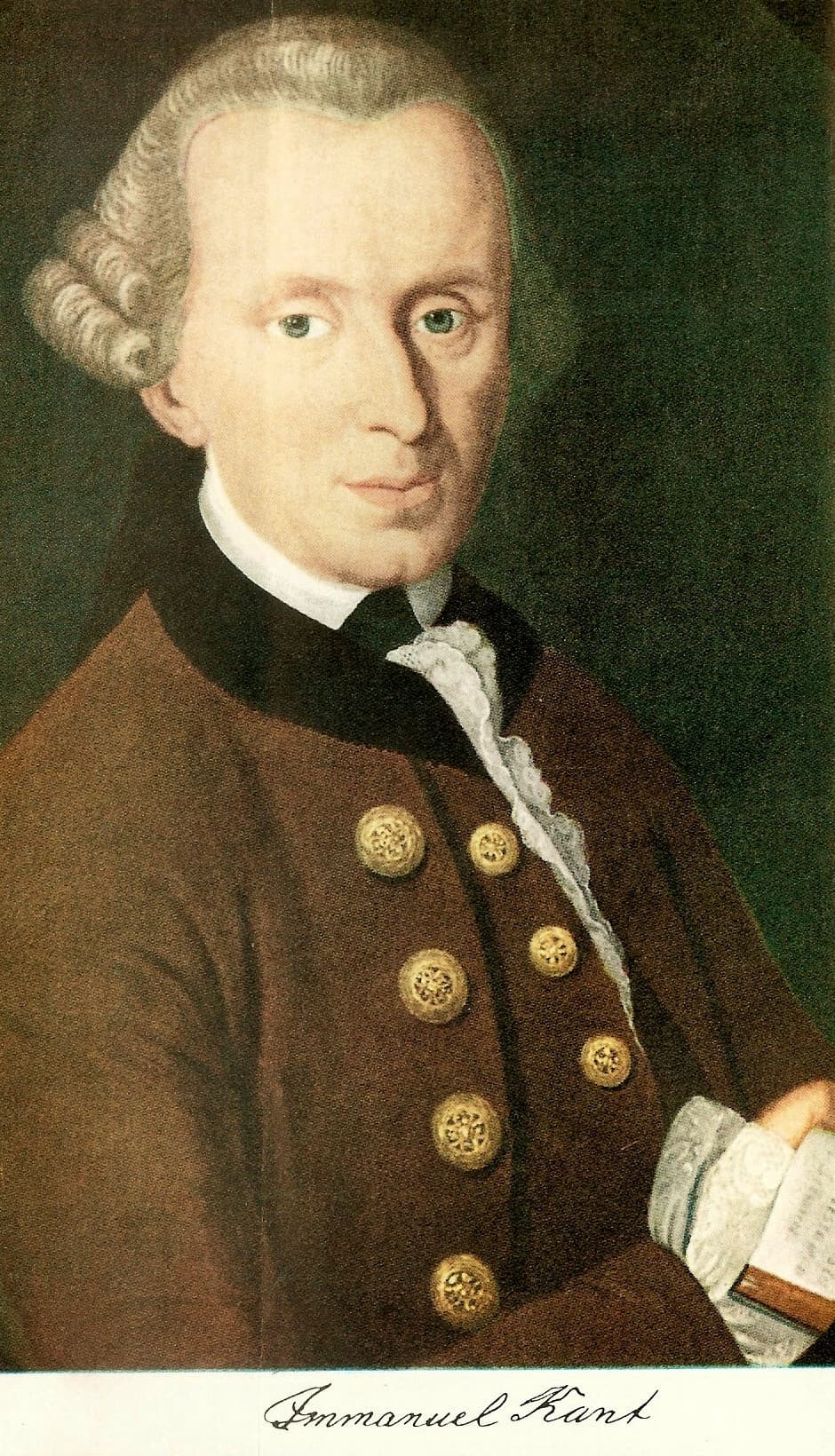
Immanuel Kant
Known for the categorical imperative and Critique of Pure Reason · Deontology / transcendental idealism
Immanuel Kant was a German philosopher. Born in Königsberg in the Kingdom of Prussia, he is considered one of the central thinkers of the Enlightenment.
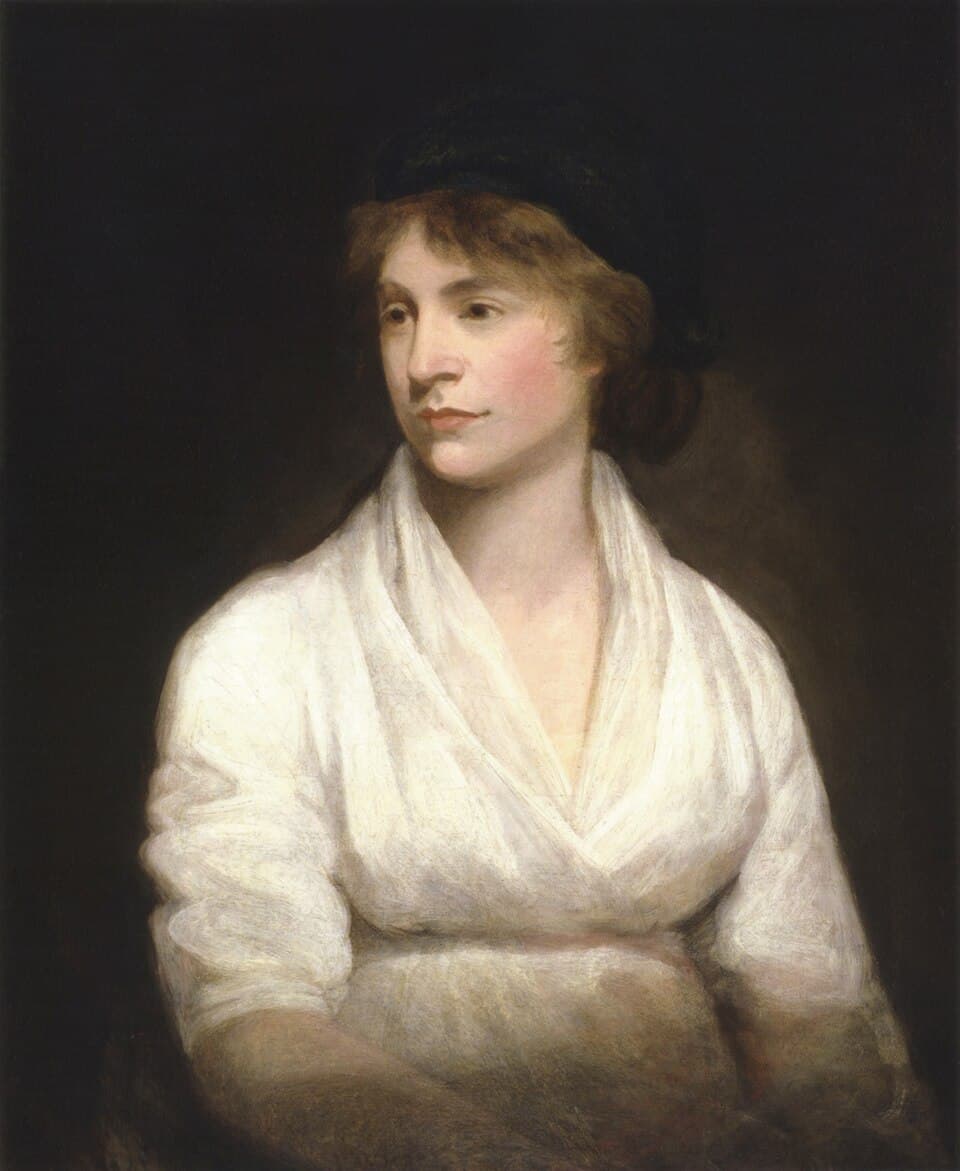
Mary Wollstonecraft
Known for early feminist philosophy and women's rights · Feminist philosophy
Mary Wollstonecraft was an English writer and philosopher best known for her advocacy of women's rights. Until the late twentieth century, Wollstonecraft's life, which encompassed several unconventional personal relationships, received more attention than her writing.
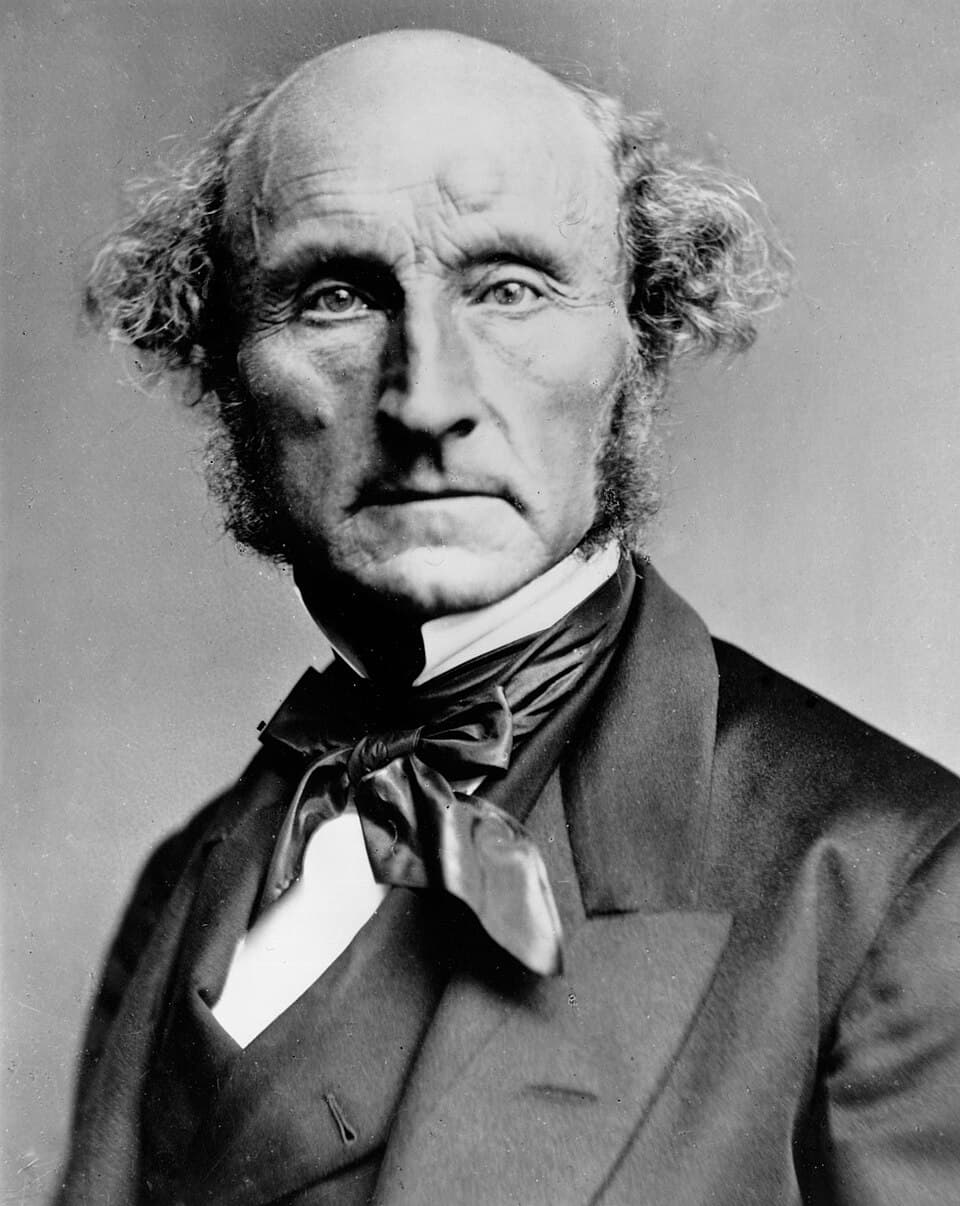
John Stuart Mill
Known for utilitarianism, liberty, and political economy · Utilitarianism / liberalism
John Stuart Mill was an English philosopher, political economist, and politician. He was a paradigmatic philosopher of liberalism and has been described as "the most influential English-speaking philosopher of the nineteenth century" by the Stanford Encyclopedia of Philosophy.
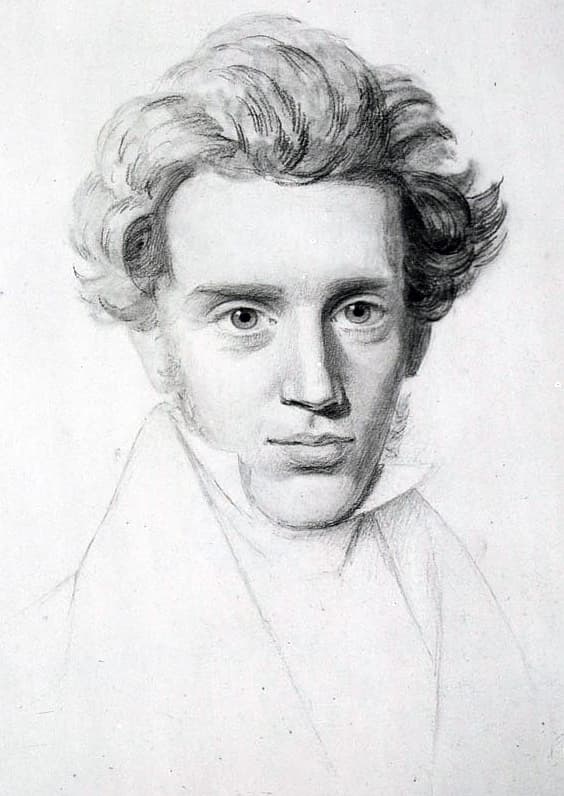
Søren Kierkegaard
Known for existentialism, faith, anxiety, and individual choice · Existentialism
Søren Aabye Kierkegaard was a Danish Lutheran theologian, philosopher, poet, social critic, and religious author who is widely considered to be the first existentialist philosopher.
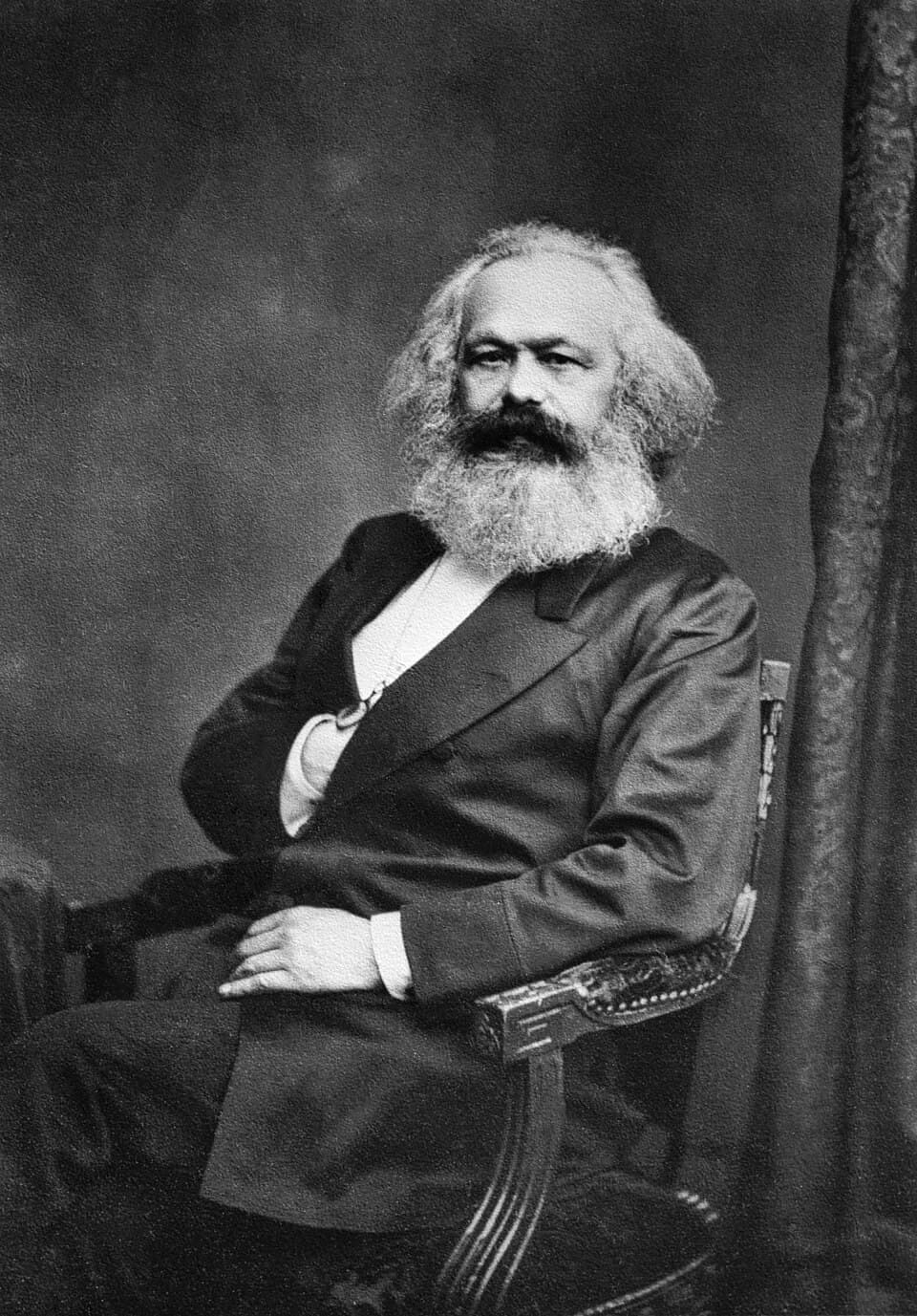
Karl Marx
Known for historical materialism, capitalism critique, and communism · Marxism
Karl Marx was a German philosopher, social and political theorist, economist, journalist, and revolutionary socialist. He developed the theory of historical materialism, analyzing class struggle under capitalism and predicting the system's overthrow by the proletariat in favour of communism.
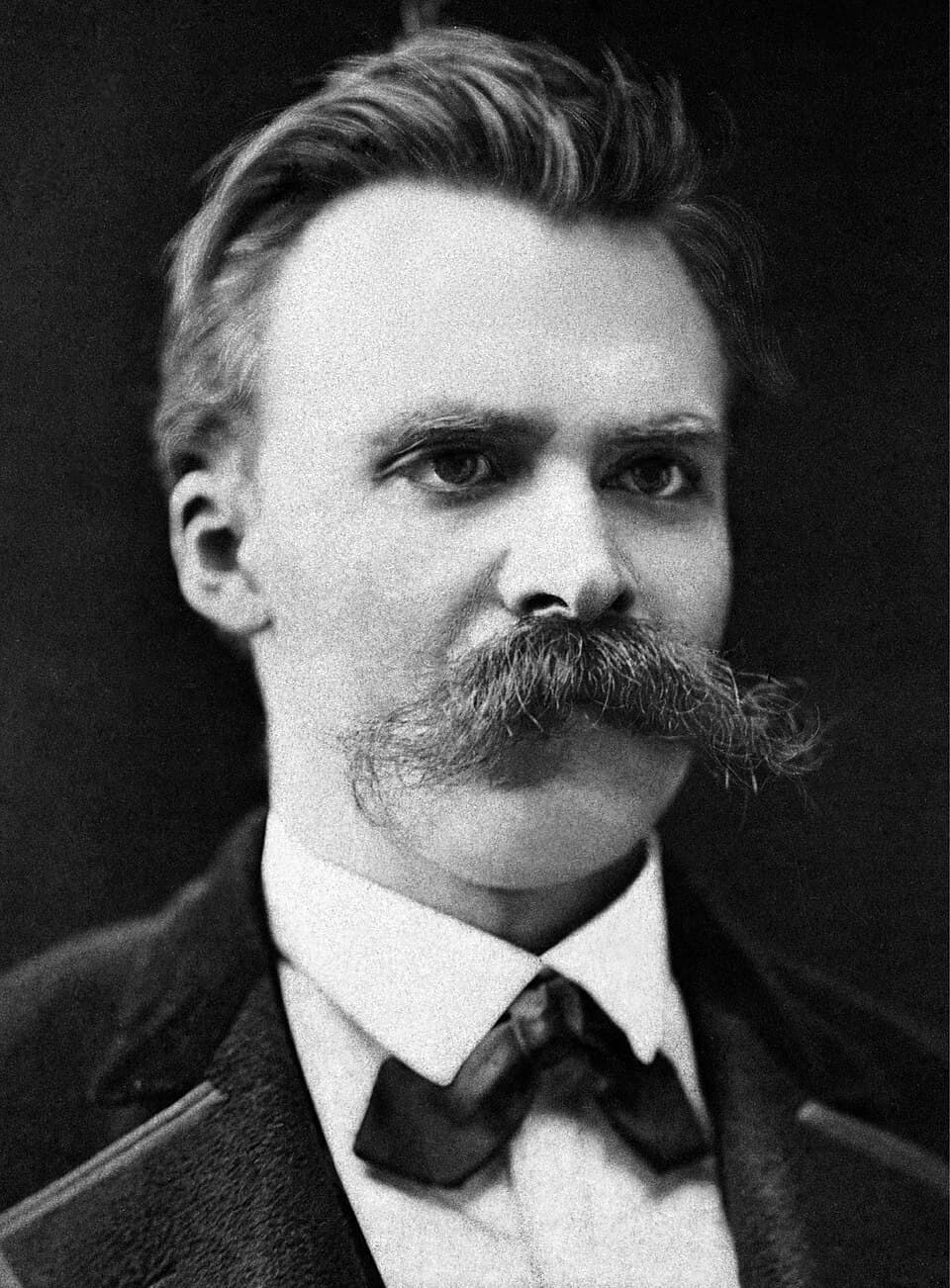
Friedrich Nietzsche
Known for the will to power, perspectivism, and critique of morality · Existentialism / critique of morality
Friedrich Wilhelm Nietzsche was a German philosopher and writer who started his career as a classical philologist and turned to philosophy early in his academic career. In 1869, at age 24, he was appointed Professor of Classical Philology at the University of Basel.
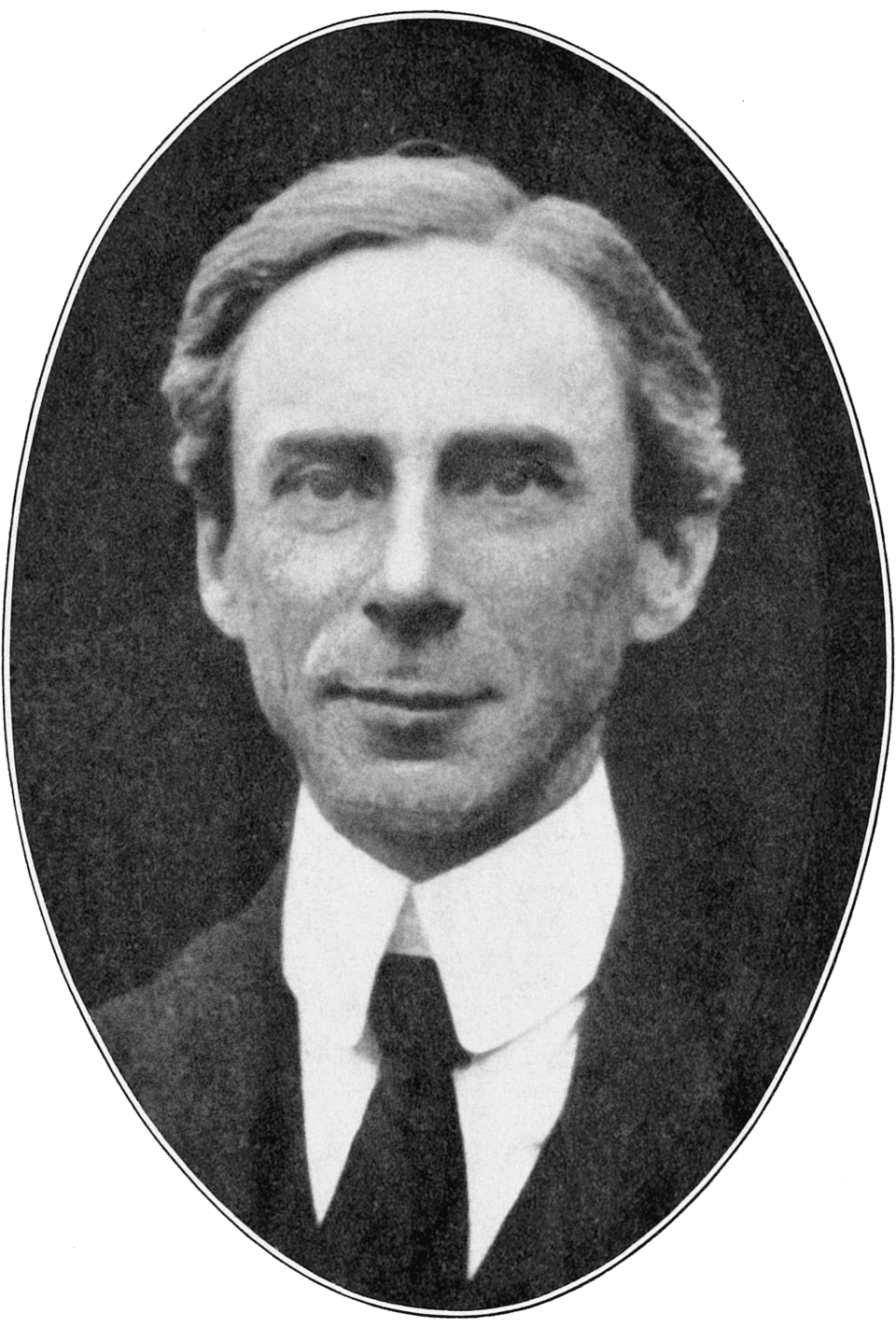
Bertrand Russell
Known for logic, analytic philosophy, and political activism · Analytic philosophy
Bertrand Arthur William Russell, 3rd Earl Russell, was a British philosopher, logician, and social reformer. He influenced mathematics, logic, set theory, and various areas of analytic philosophy.
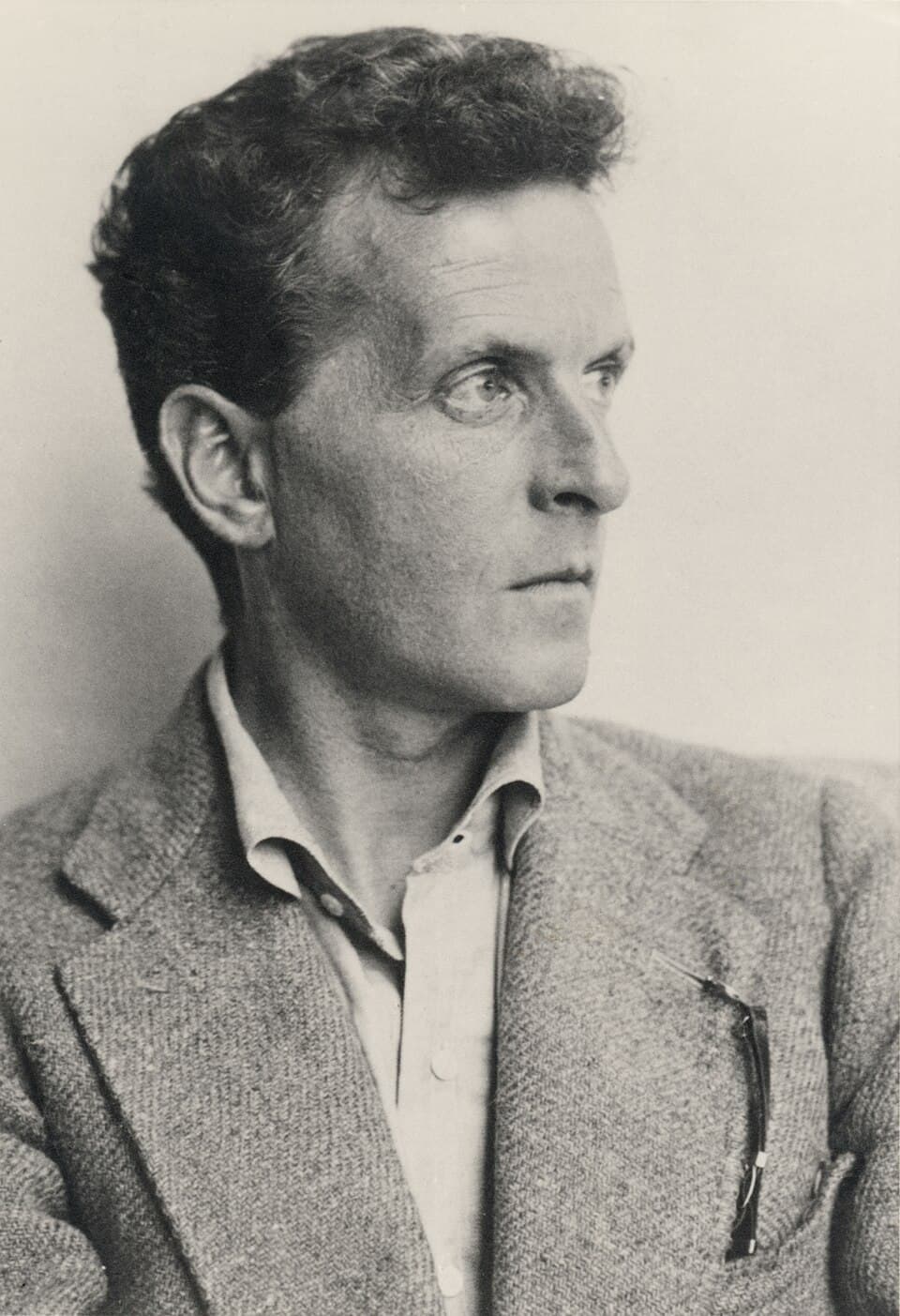
Ludwig Wittgenstein
Known for logic, language games, and analytic philosophy · Language philosophy
Ludwig Josef Johann Wittgenstein was an Austro-British philosopher who worked in logic, philosophy of mathematics, philosophy of mind, and philosophy of language.
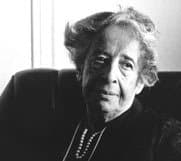
Hannah Arendt
Known for totalitarianism, action, judgment, and the public realm · Political philosophy
Hannah Arendt was a German and American historian and philosopher. She was one of the most influential political theorists of the twentieth century.
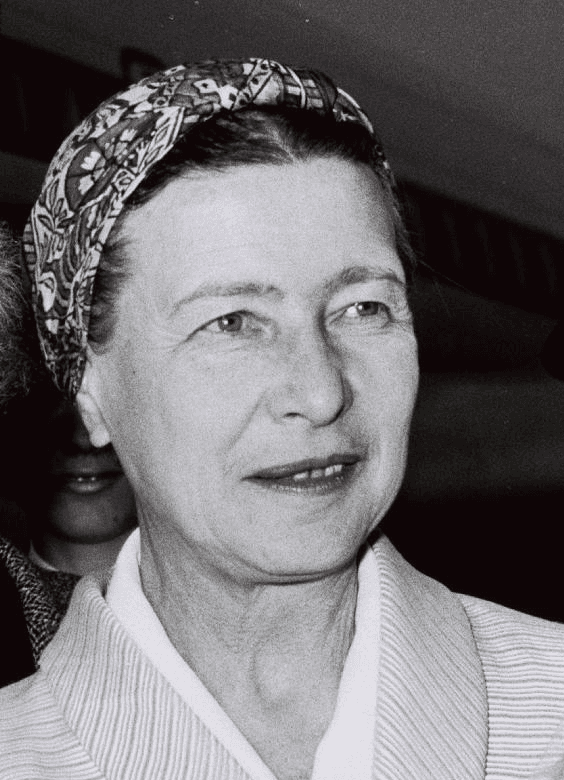
Simone de Beauvoir
Known for existential feminism and The Second Sex · Existentialism / feminism
Simone Lucie Ernestine Marie Bertrand de Beauvoir was a French existentialist philosopher, writer, social theorist, and feminist activist.
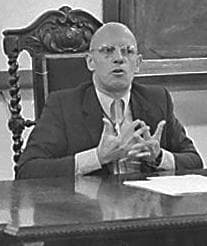
Michel Foucault
Known for power, knowledge, discipline, and institutions · Power / knowledge
Paul-Michel Foucault was a French historian of ideas and philosopher, who was also an author, literary critic, political activist, and teacher.